.png)
As a woman with Brazilian and Italian roots, Flavia di Marco and her friends have always been mindful of their butts! Brazilians are very well known for good looking butts but what most people don’t know is how useful our butts can be to our bodies.
As a woman with Brazilian and Italian roots, Flavia di Marco and her friends have always been mindful of their butts! Brazilians are very well known for good looking butts but what most people don’t know is how useful our butts can be to our bodies.

Common dieting mistakes will not only limit the amount of fat you lose but also compromise your ability to retain or even build muscle throughout the body recomposition process.
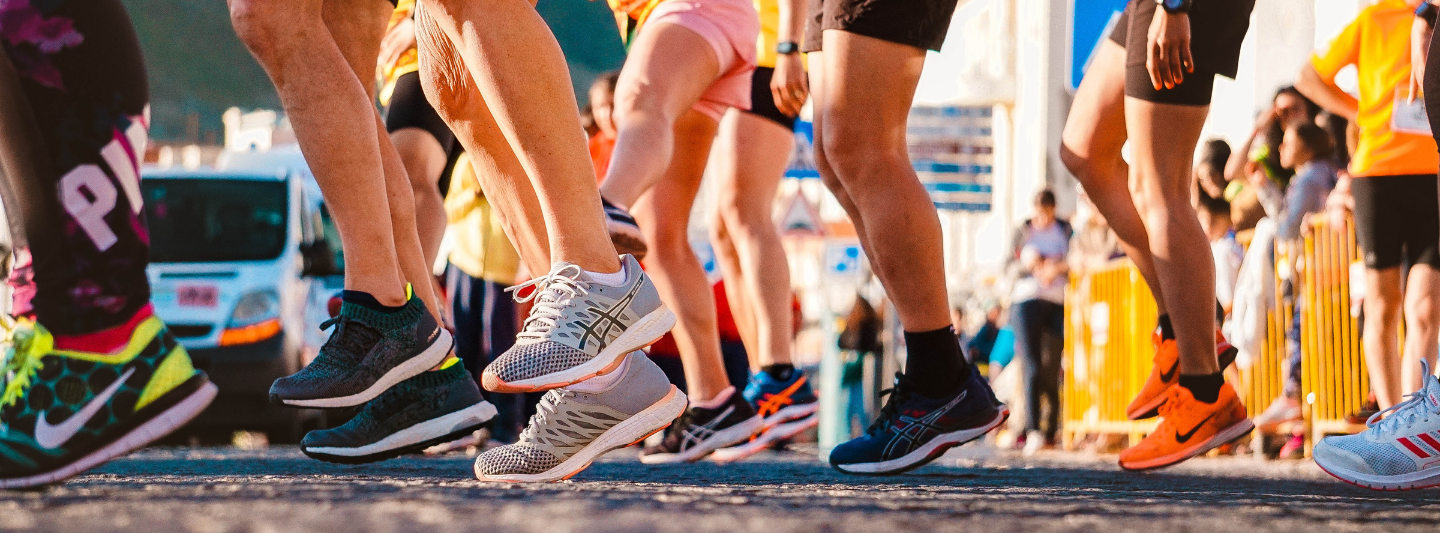
Dr Derek Li has over 100 pairs of running shoes and regularly contributes shoe reviews to roadtrailrun.com.
Learn more on how to choose the best pair of running shoes for you, as he explains and breaks down his tips into two parts:
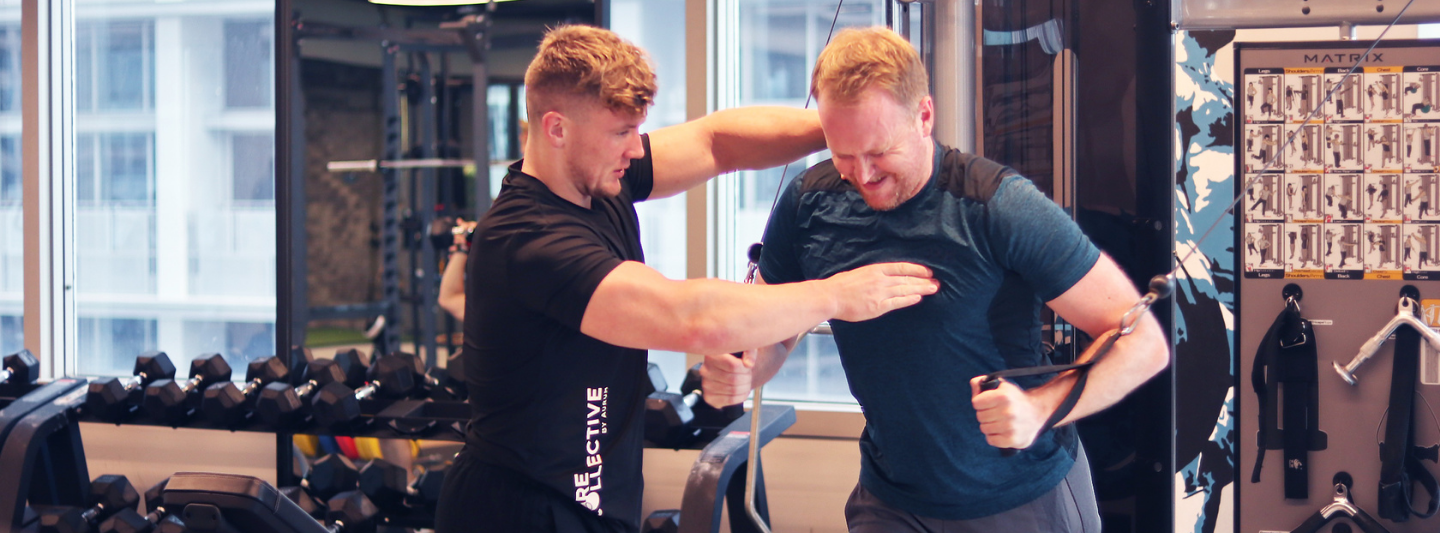
Body fat accumulates when an individual consumes a number of calories that are more than what they expend. The excess amount of calories is then converted to fat and stored by the body. Energy balance refers to the number of calories consumed versus the number of calories expended by an individual.
.jpg)
The life expectancy of running shoes are measured in miles rather than months or years. As a general rule of thumb, experts suggest that running shoes be retired and replaced every 500 to 750 kilometres (300 to 500 miles).
.jpg)
In preparation for an upcoming marathon or race against your own personal best, you’ve probably obsessed over figuring out the best training techniques or even running clothes or shoes to wear. All this, just to ensure you can perform optimally on the big day. While the above are all completely fair considerations for optimal performance, there’s another crucial factor that’s often overlooked - and that’s diet.
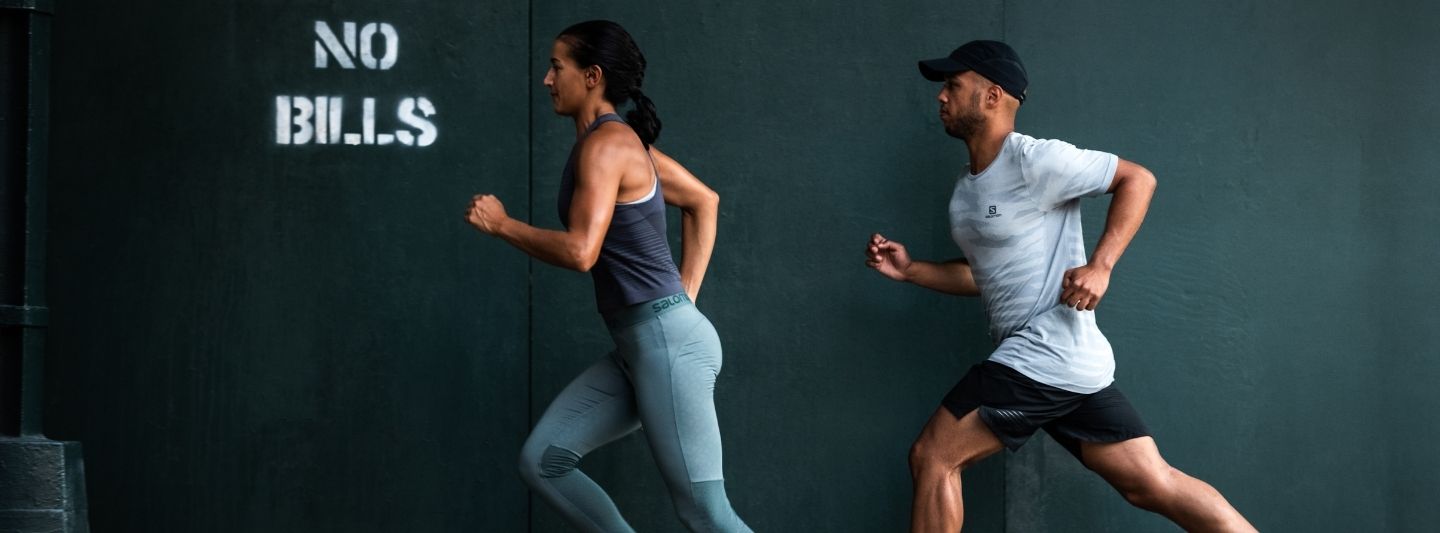
Whether you run for fun, are considering completing your first race, or are an experienced runner, we all have one goal in mind; to improve our performance so we can run further and faster.
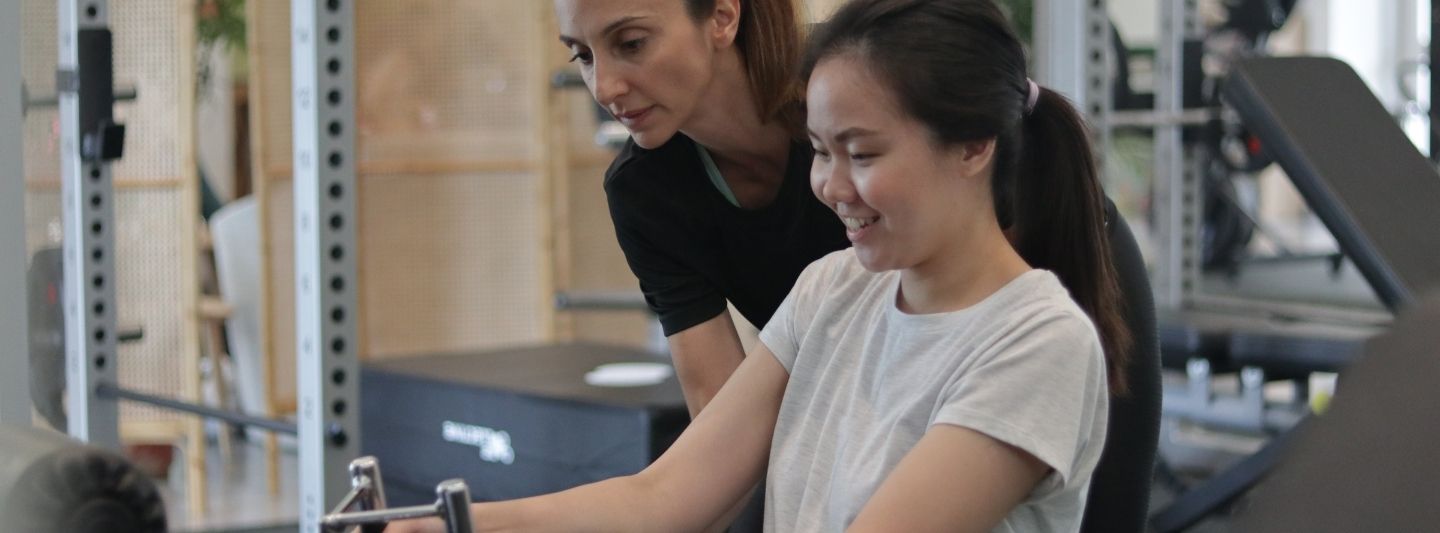
Many are skeptical about the need to hire a personal fitness trainer. I was certainly one of those people until I was given the opportunity to train with one of the highly talented personal trainers at Core Collective in Singapore.
.jpg)
For most women, becoming a mother means doing things that make you feel good (including self-care activities that contribute to your fitness and health) takes the back seat.

How many times have you read, said, or heard the following: ‘Pizza? That’s so unhealthy!’, ‘Do you know how many calories there are in a pizza? Why would you want to eat that!’, ‘I/You can’t eat a pizza, I'm/you’re on a diet’.